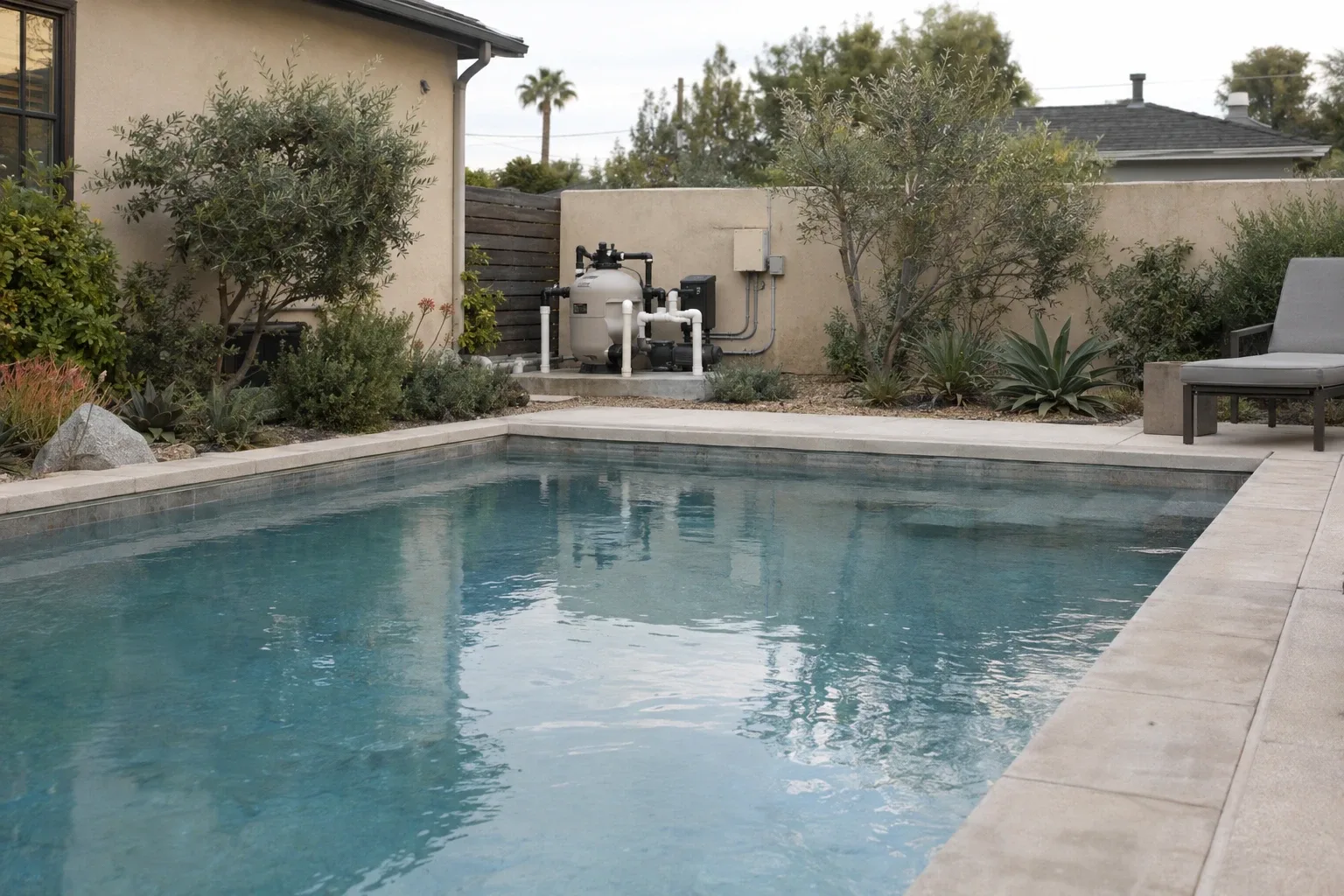
A saltwater pool is not chlorine-free. It is a smarter way to make chlorine continuously. We run a full chemistry panel before we install, not after.
A saltwater pool is not chlorine-free. It is a smarter way to make chlorine continuously.
You dissolve salt into your pool water. A device called a salt chlorine generator, or SCG, runs that saltwater through a salt cell. Electrolysis, the electrochemical process inside that cell, splits the salt molecules and produces free chlorine on a continuous loop. The result is steady, low-concentration chlorine without tablets, liquid jugs, or weekly guesswork.
You still need stabilizer and you still test water chemistry, or rely on an ongoing chemical balancing service to keep everything dialed in. The difference is that your system generates chlorine automatically instead of relying on manual additions that spike and crash. That steadier chlorine curve is exactly why saltwater pools feel softer, and it follows the same sanitation targets the CDC recommends for chlorine and pH.
LA's year-round pool season makes manual chlorine management more expensive than most people realize.
Most of the country closes their pool in October. Los Angeles does not. Your pool runs twelve months a year, which means twelve months of buying chlorine, storing chemicals, and keeping up with a UV index that destroys unstabilized chlorine within hours on a hot summer day. The stronger the sunlight, the faster manually added chlorine disappears. Coastal pools in Santa Monica face strong marine UV, and inland pools in Pasadena and the San Gabriel Valley sit under even more intense summer heat. An SCG does not care about either, it just keeps producing.
Calcium hardness is the one local wrinkle. Los Angeles municipal water runs hard, and that calcium accelerates scale on salt cells and can shorten their lifespan if it is not managed. For a deeper look, see our guide on Los Angeles hard water and your pool. We factor that into every conversion plan we build.
Most standard chlorine pools can be converted. The honest answer is we check before we commit.

During a pre-conversion assessment we look at existing equipment compatibility and repair, plumbing configuration, current calcium hardness and cyanuric acid levels, and whether the interior surface material plays nicely with a saltwater environment. Some older metal fixtures or vinyl components need attention before we introduce elevated salinity, typically maintained between 2,700 and 3,500 parts per million for proper generator function.
One San Fernando Valley homeowner had done his homework and already purchased a generator. When we ran the water panel, calcium hardness was pushing 600 ppm, almost double the upper limit for healthy salt cell performance. LA tap water does that over time. We handled a partial water exchange first, dropped the calcium back into the right window, then commissioned the system properly. That salt cell is still running clean.
The lesson: a conversion done right starts with honest chemistry, not just new equipment. When the baseline is correct, these systems run beautifully for years with minimal intervention. Elevated calcium also means ongoing attention to calcium scale removal from tile and surfaces to protect your investment.
Every conversion customer gets a full walkthrough before we pick up a tool. Some homeowners arrive expecting to never think about chemicals again, and that expectation leads to problems down the road, not because saltwater systems are complicated, but because they work best when the owner understands what they are doing.
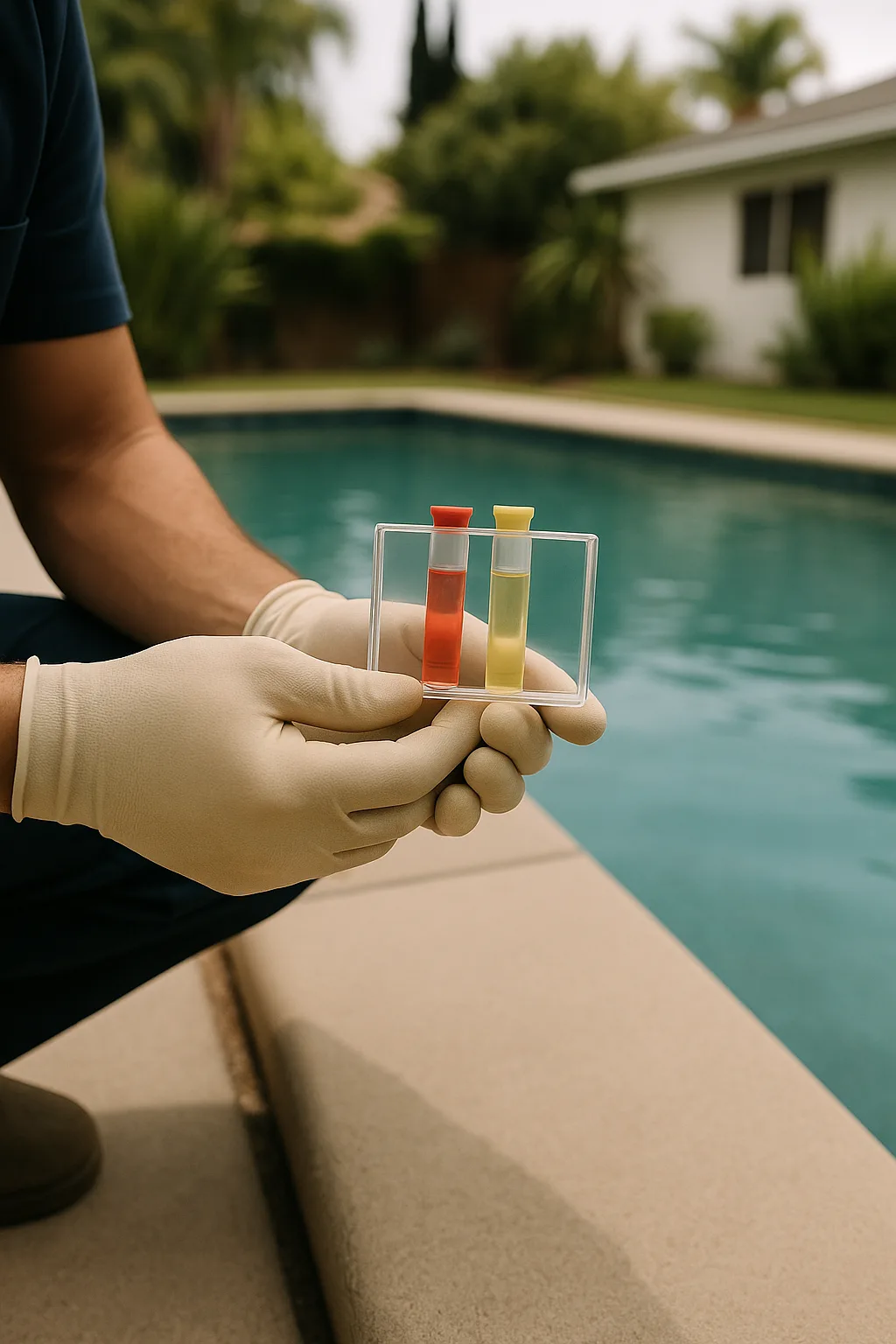
Before installation, we go through exactly how the generator produces chlorine, how to read your salinity level, why cyanuric acid still matters in a salt system, and what the salt cell needs for routine inspection. We also talk about calcium hardness from day one, because in Los Angeles hard water is the norm and understanding how calcium affects your cell's lifespan tells you when to test and when to call. An informed customer gets more years out of their system. That is not a sales pitch, it is just true.
A proper conversion is more than dropping a generator into the plumbing.
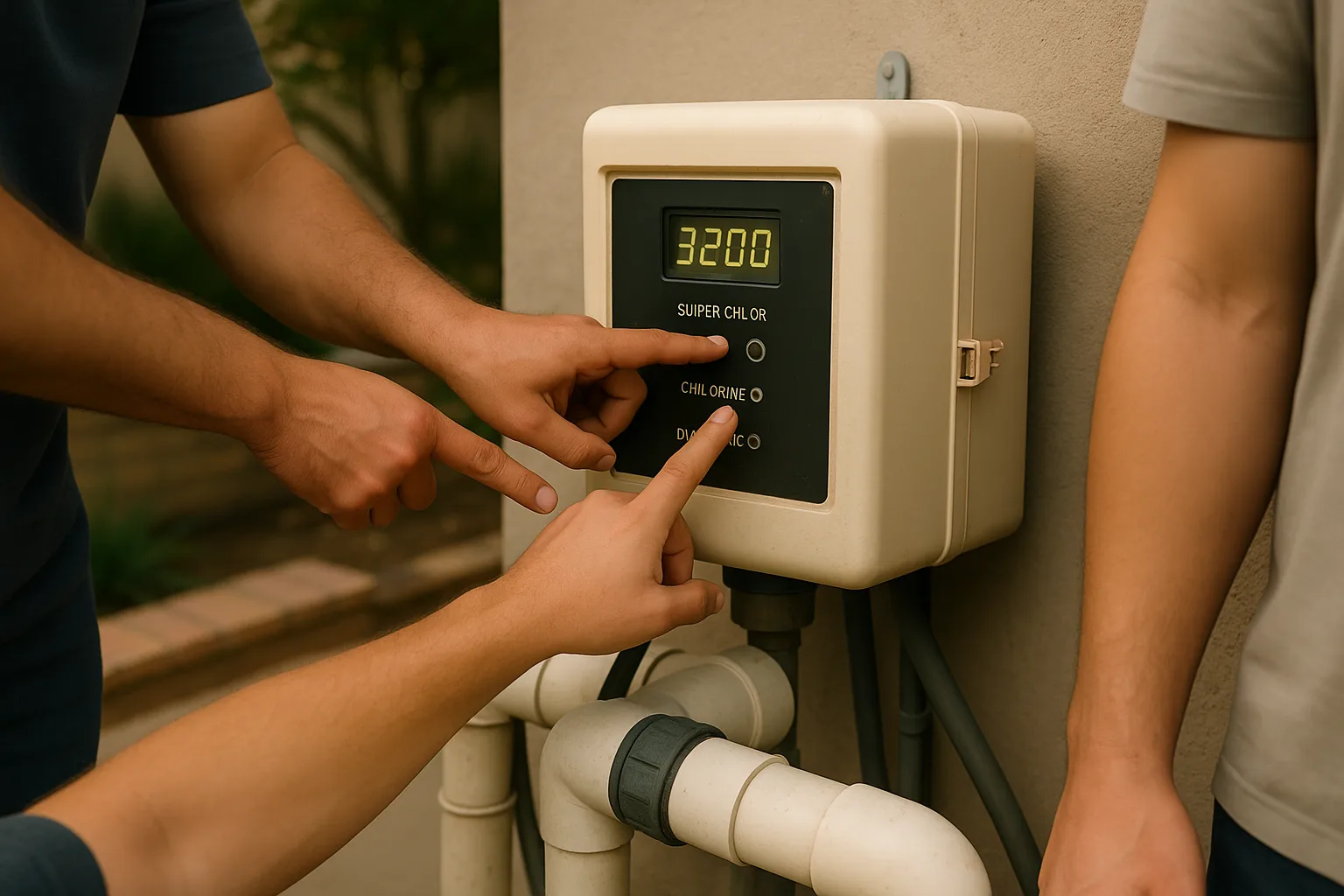
Commissioning is the step that makes a salt system perform the way it should, for years.
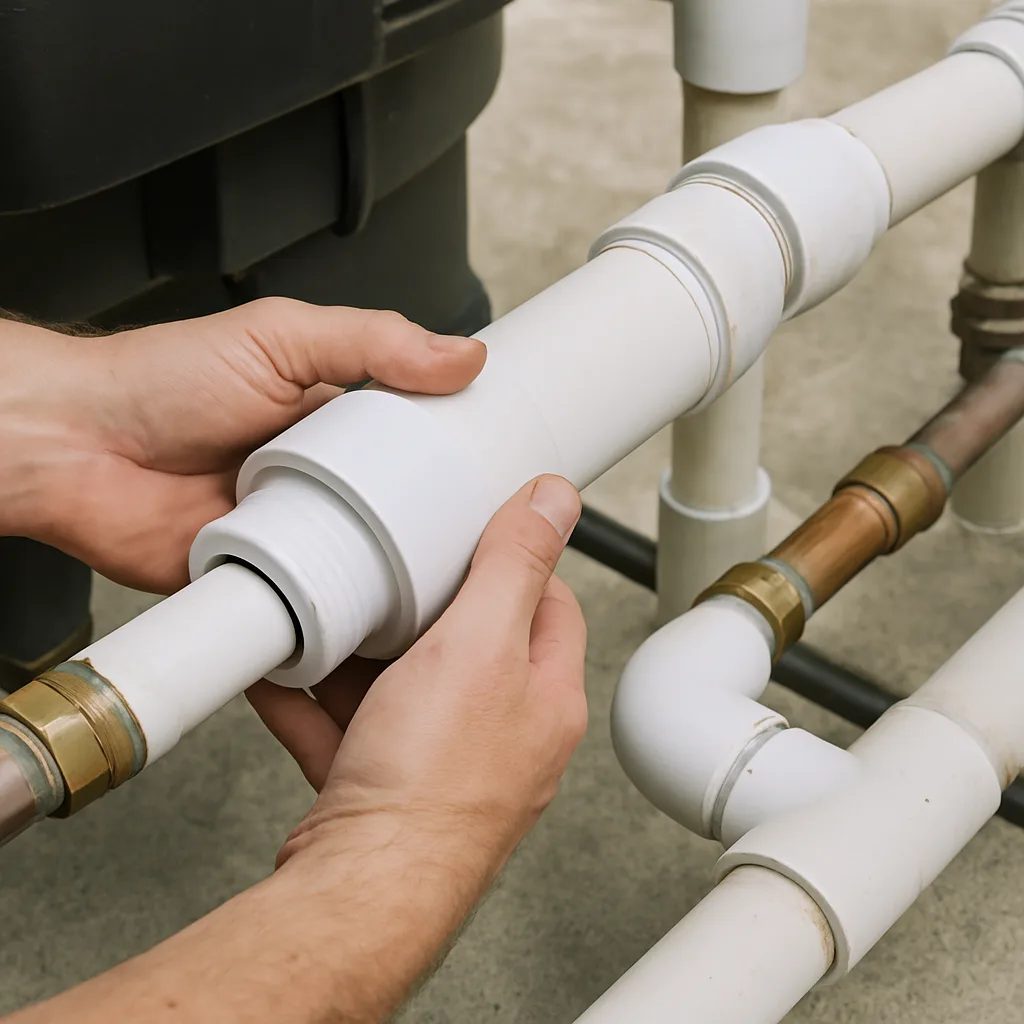
Before we add a single pound of salt, we run a complete chemistry panel. Calcium hardness is our first concern in this market, since scale on the cell is the leading cause of premature failure in hard-water areas. We also verify CYA is in range, because a salt-generated system loses effectiveness just like manual chlorine when stabilizer is off.
Salt loading follows a precise calculation: pool volume against the gap between current and target salinity. We dissolve salt through the return jets, never broadcast it against surfaces, which can stain plaster. The cell installs downstream of the heater, and the control board sets runtime, output percentage, and flow sensor parameters.
We do not leave until the generator reads a clean salinity level and the board confirms the cell is producing. We test free chlorine output, confirm pH has stabilized, and verify the cell's amp draw is within spec. You get a written readout of your starting chemistry as a baseline for every future visit.
We handle saltwater conversions throughout Los Angeles, Beverly Hills, Santa Monica, Pasadena, Burbank, Glendale, Long Beach, Torrance, Redondo Beach, Manhattan Beach, and the Inland Empire cities of Ontario, Rancho Cucamonga, Riverside, and Corona. Orange County service includes Anaheim, Irvine, Newport Beach, Huntington Beach, and Costa Mesa, and Ventura County service includes Thousand Oaks, Simi Valley, and Oxnard. Because LA fill water is hard, we build calcium management into every plan.
Call 805-870-5019 to startGetting accurate answers costs you nothing. We will assess your current equipment, test your water chemistry, and give you a straight answer on what conversion involves for your specific pool, before any commitment. Many customers pair a new salt system with ongoing weekly maintenance.