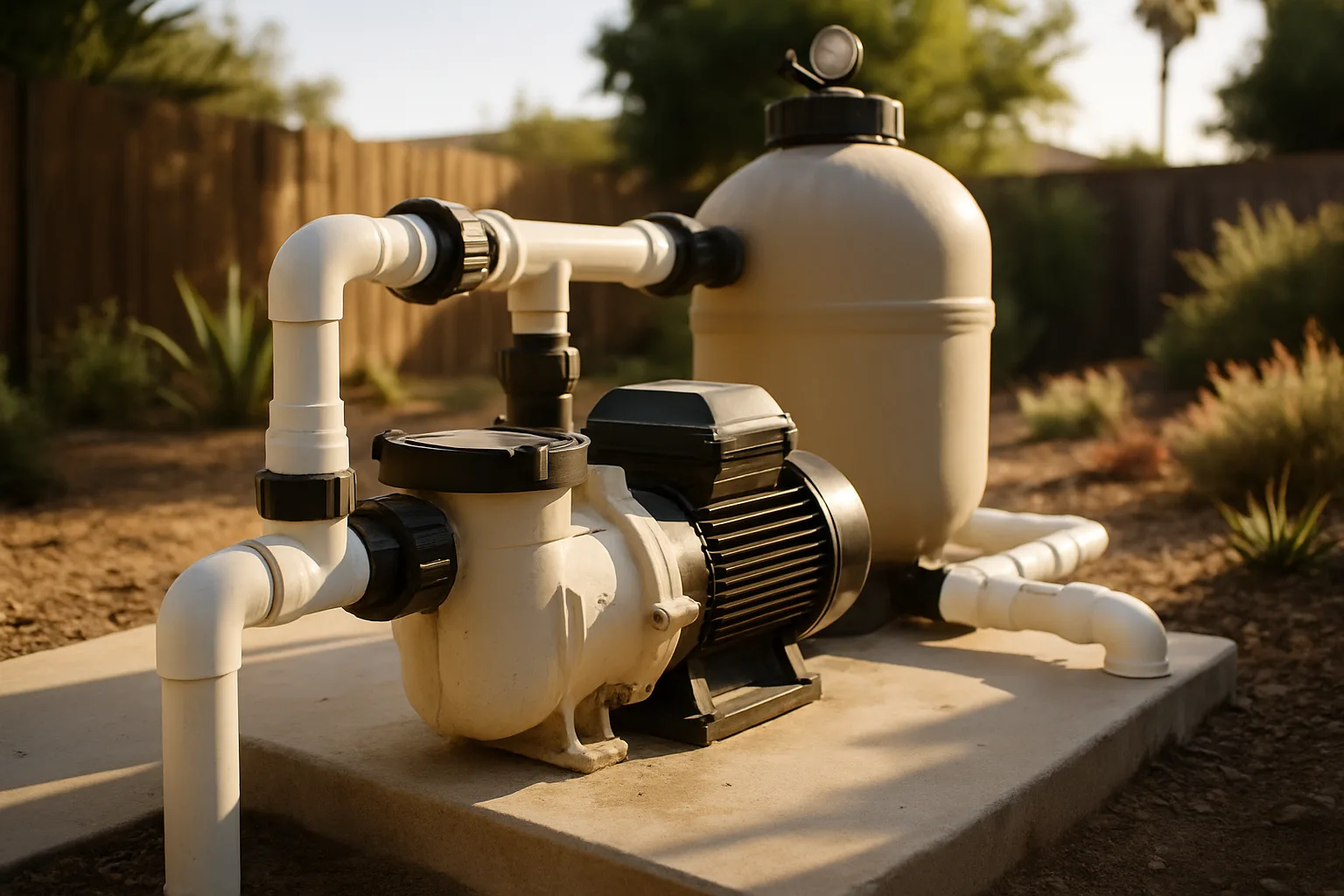
California Title 20 requires variable-speed pumps for most replacements. We size, install, and program the right pump for your pool, calibrated to your utility rate.
California law restricts single-speed pool pumps for most residential replacements and new installations.
California Title 20, the state's appliance efficiency regulations, took full effect for pool pumps in 2021. Replacing a single-speed pump, a traditional pump that runs at one fixed motor speed regardless of flow demand, with another single-speed model is no longer permitted for most residential applications above specified wattage thresholds. For a full breakdown, see the California Title 20 variable speed pump requirements. This is not a future deadline. It is the current law.
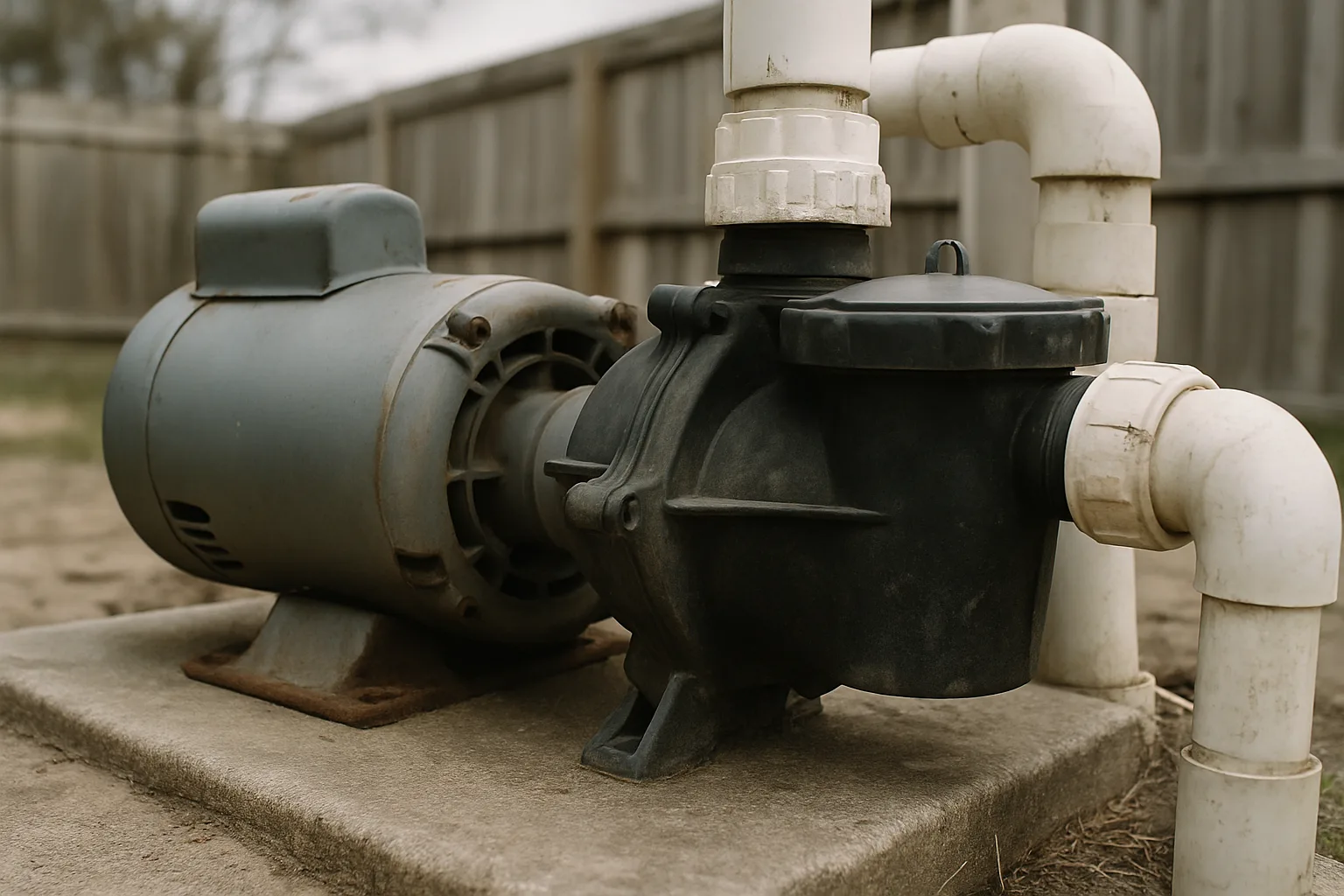
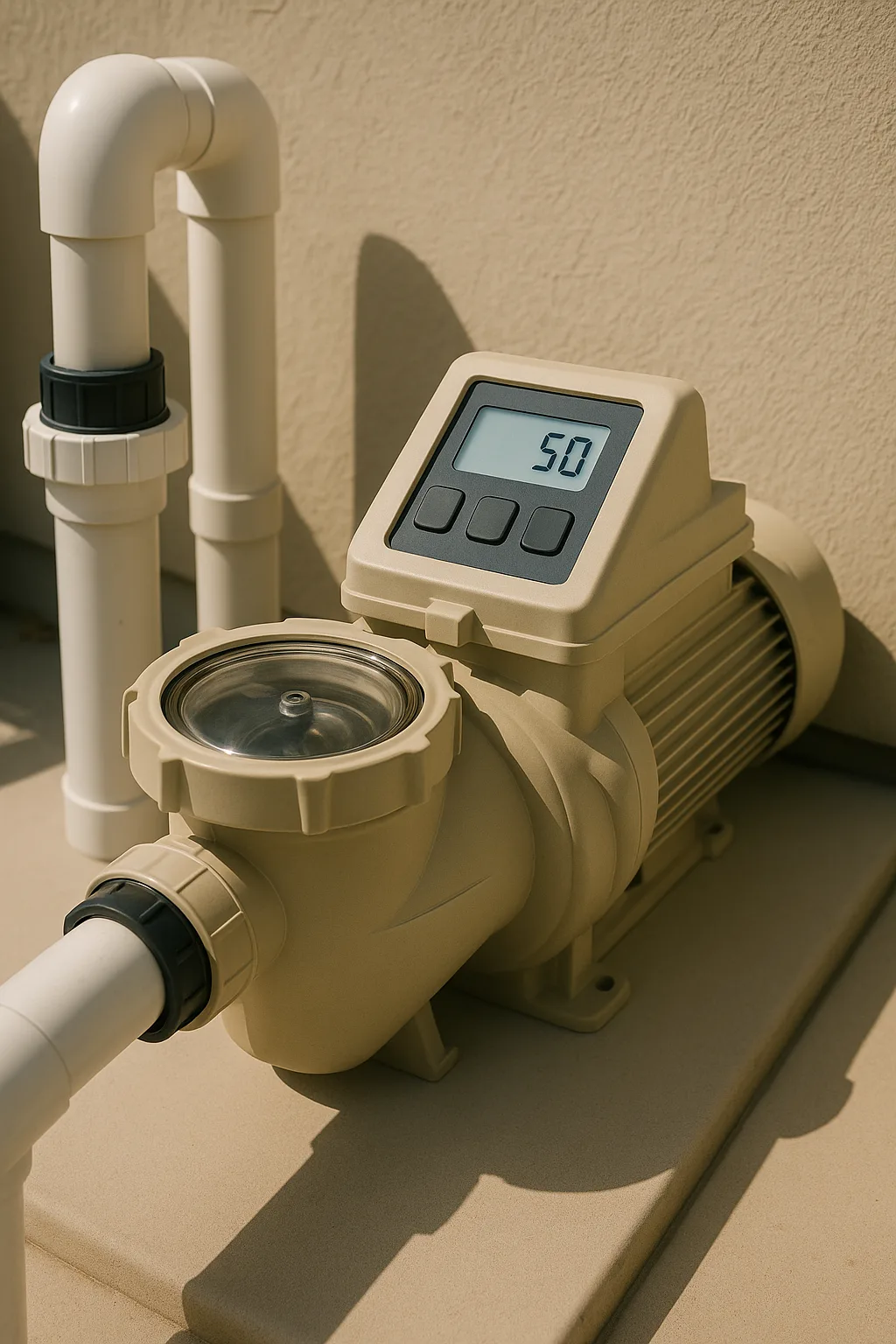
What replaces them is a variable speed pump (VSP), a pool pump with a permanent magnet motor that can run at multiple speed settings. That motor technology matters, because permanent magnet motors eliminate the energy lost to magnetic slip that traditional induction motors produce. A VSP running at low speed achieves the same daily turnover as a single-speed pump running flat out, at a fraction of the electricity draw. At equivalent turnover rates, variable speed pumps can cut pump operating costs by 70% or more, one reason the ENERGY STAR program certifies them.
In Los Angeles, electricity pricing is tiered, and pool pumps push households into the higher tiers.
Southern California Edison (SCE) and LADWP both use tiered rate structures. Once a household crosses the baseline usage threshold, every additional kilowatt-hour is priced higher. A single-speed pump running six to eight hours daily in summer can push a mid-size LA home well into Tier 2 and sometimes Tier 3, and the pump is often the single largest consumer in the house during summer, exceeding air conditioning in total monthly draw.
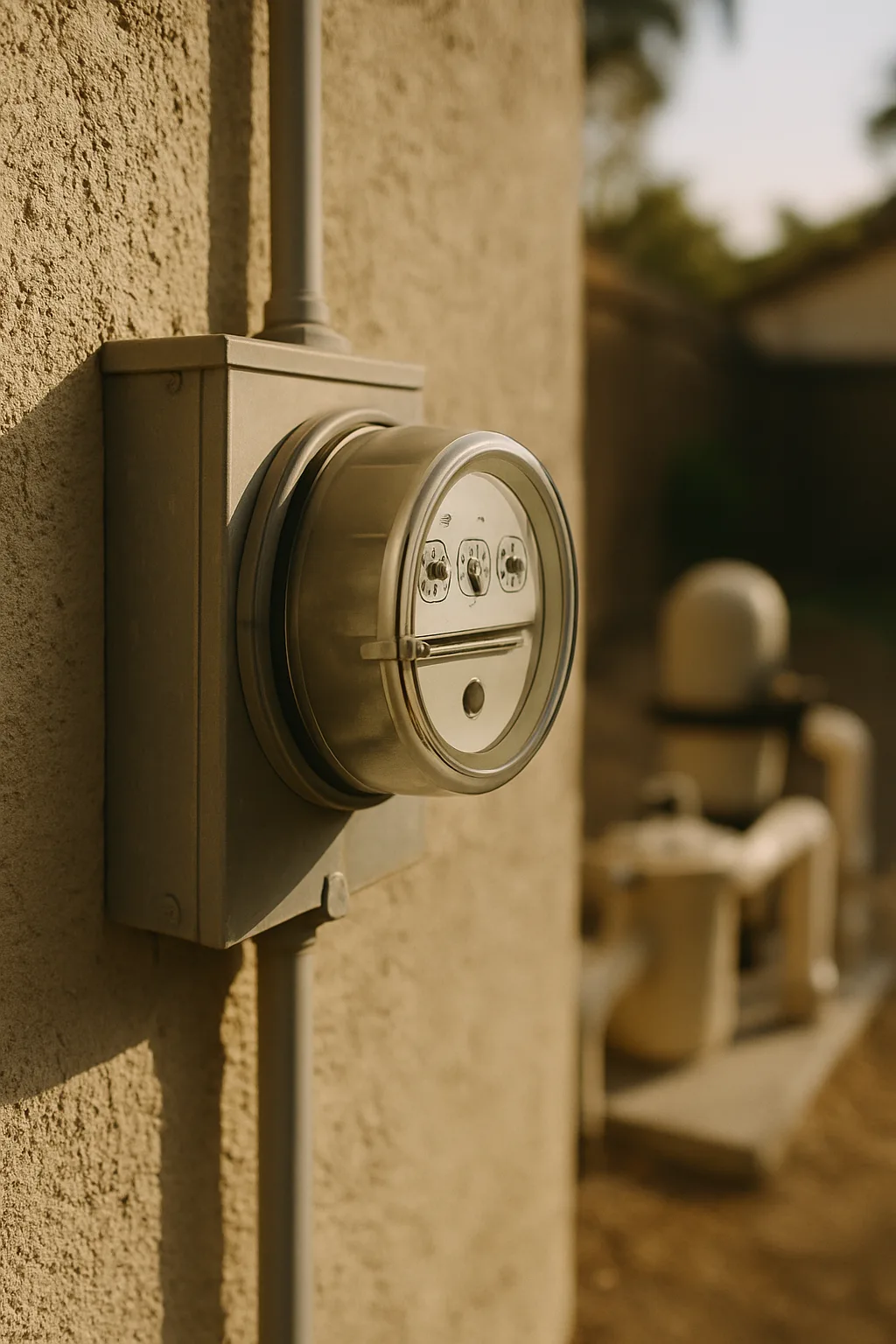
A standard 1.5 HP single-speed pump running eight hours per day at current SCE Tier 2 rates can cost $80 to $140 per month in electricity alone, before any other equipment. A variable speed pump on a calibrated schedule can bring that down to $25 to $50 monthly. To understand total pool service and upgrade costs, our cost guide breaks down what LA homeowners should expect. The Inland Empire runs even hotter, so pools in Riverside, Ontario, and Corona in sustained 100F heat see longer filtration cycles and higher baseline energy use, making the upgrade more significant there than in coastal neighborhoods, one reason the EPA highlights pool water efficiency.
Our crews have been on equipment pads across Los Angeles since 2020, and the pattern is consistent: the pump is a single-speed unit running the same program since it was installed years ago, and the homeowner has no idea it falls outside current Title 20 compliance.
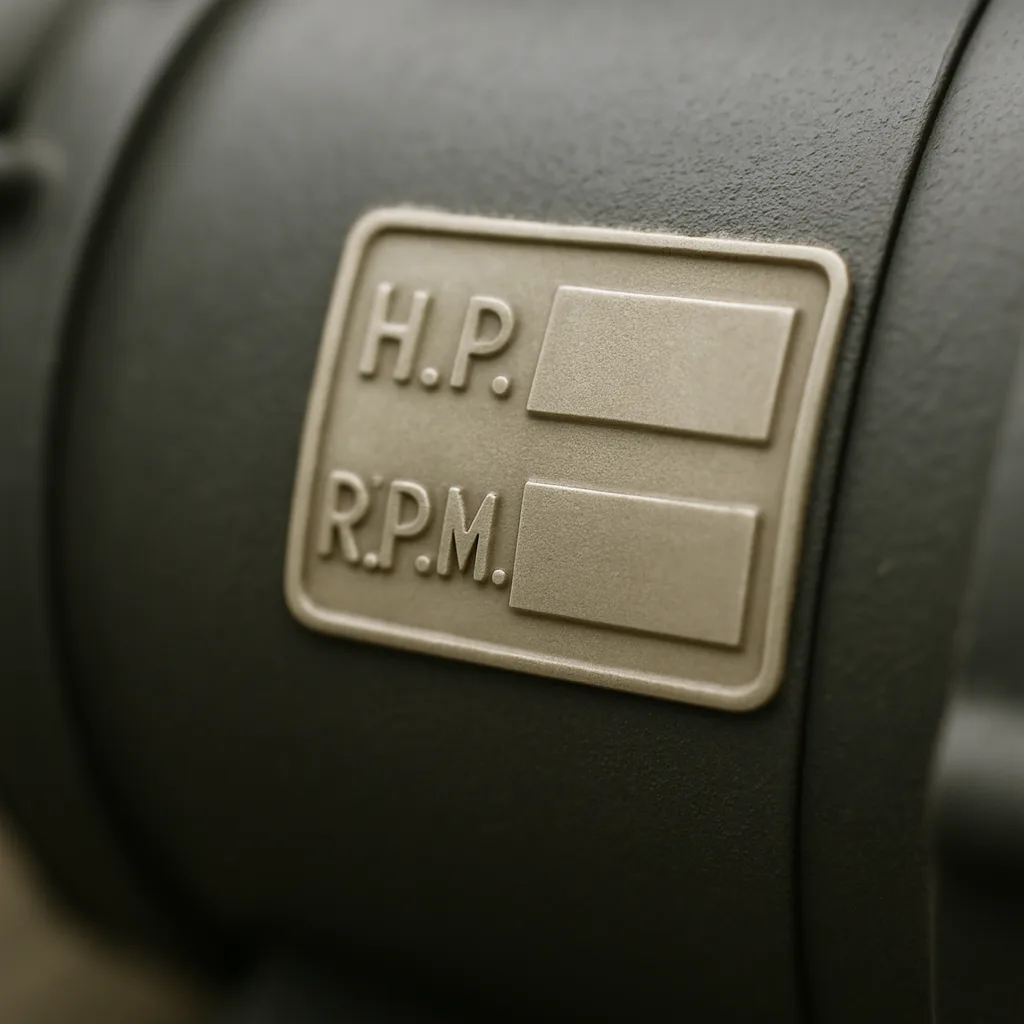
Here is how to identify a non-compliant pump. Look for the motor label on the side of the pump housing. If it says single speed or shows only one horsepower rating with no RPM range listed, it is a single-speed pump. Most pumps installed during pool builds in the 2000s and early 2010s fall into this category. If you are unsure what you are looking at, our pool equipment repair and replacement service includes a full compliance assessment.
One Pasadena homeowner reached out after noticing unusual pressure gauge readings during a routine service. The pump was oversized for the pool, a 2 HP single-speed model hammering the filtration system at full pressure every cycle, and the plumbing fittings were showing wear from the sustained high-flow stress.
We replaced it with a correctly sized variable speed pump and programmed a speed schedule matched to the pool's actual volume, plumbing layout, and filter type. The pump now runs at low speed for most of the day and steps up briefly for the backwash cycle. Pressure readings dropped into the healthy range, and the summer electricity bill reflected the difference immediately. Not just a compliant pump, the right pump running at the right speeds for that specific pool.
Speed schedule programming is where variable speed pump installations either succeed or fall short. A VSP installed with factory defaults will run and circulate water, but it will not deliver the full energy savings the equipment is designed to produce, because factory defaults are not calibrated to any specific pool.
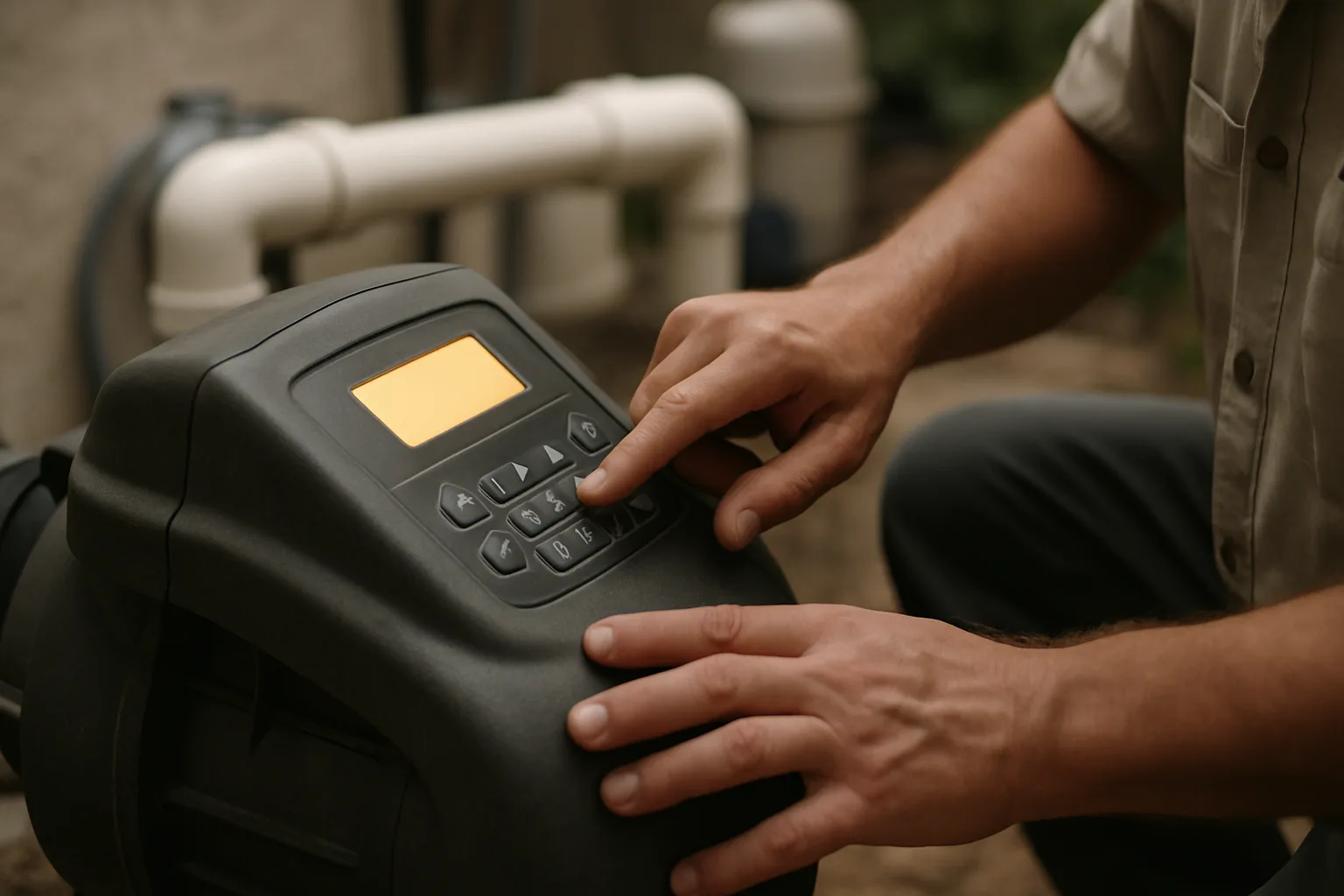
Turnover rate, the number of times per day the full volume passes through filtration, determines the minimum effective speed. That depends on your gallon volume, filter type, plumbing diameter, and usage. We calculate the correct speed schedule before programming a single setting, accounting for your filter's optimal flow rate and your utility's off-peak hours. Pairing your pump with a pool automation system lets you monitor and adjust run times remotely. The speed schedule is documented and left with the homeowner, not just entered and forgotten.
The right VSP matches the pump's performance curve to your pool's actual hydraulic demands.
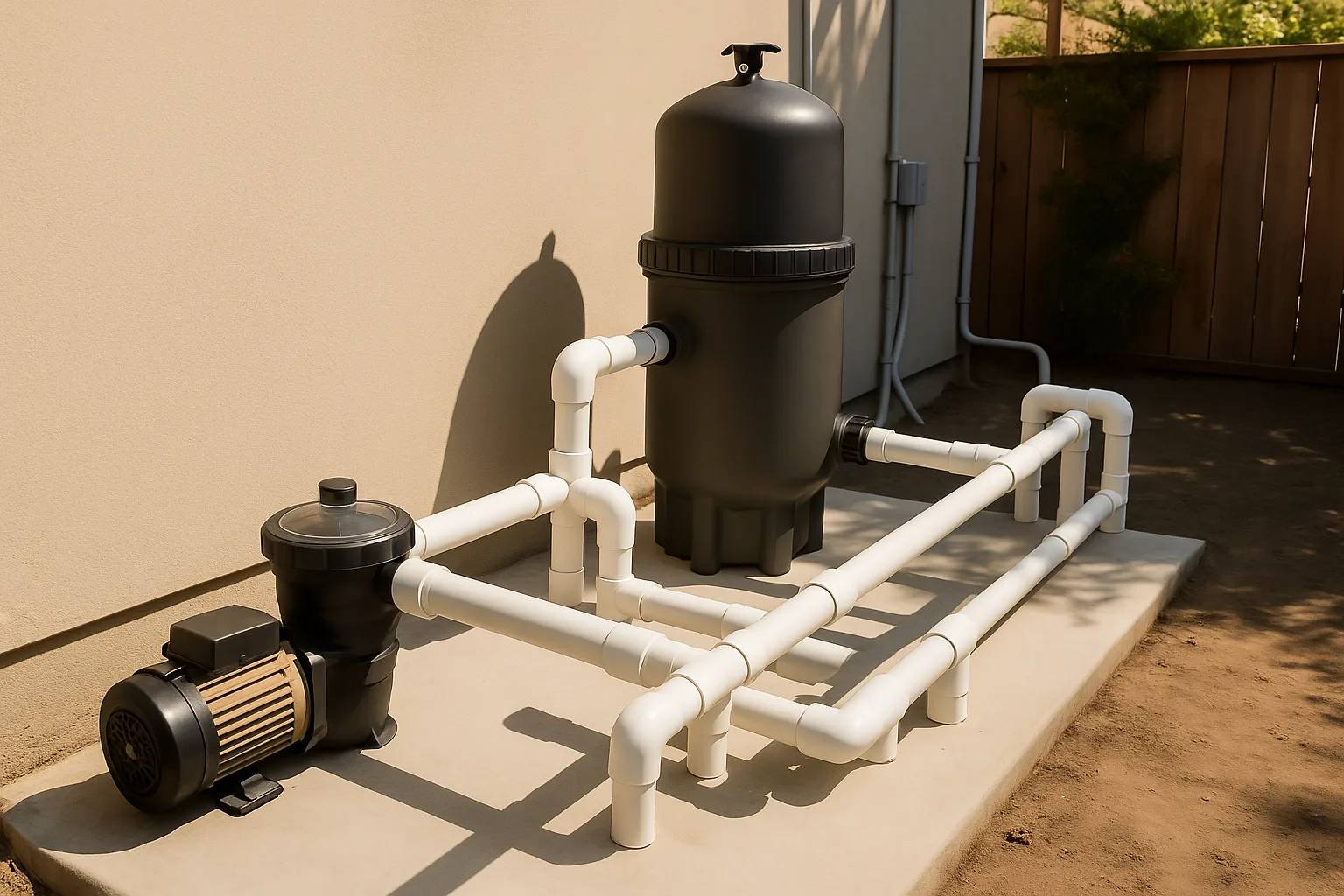
A pump oversized for the plumbing will cavitate at low speeds, and one undersized will not achieve adequate turnover without running higher RPMs than necessary. Installation includes a full electrical inspection of the pad, proper bonding connections, and a primed, air-free startup before the system is handed back.
Factory speed programs are starting points, not finished configurations for your pool.
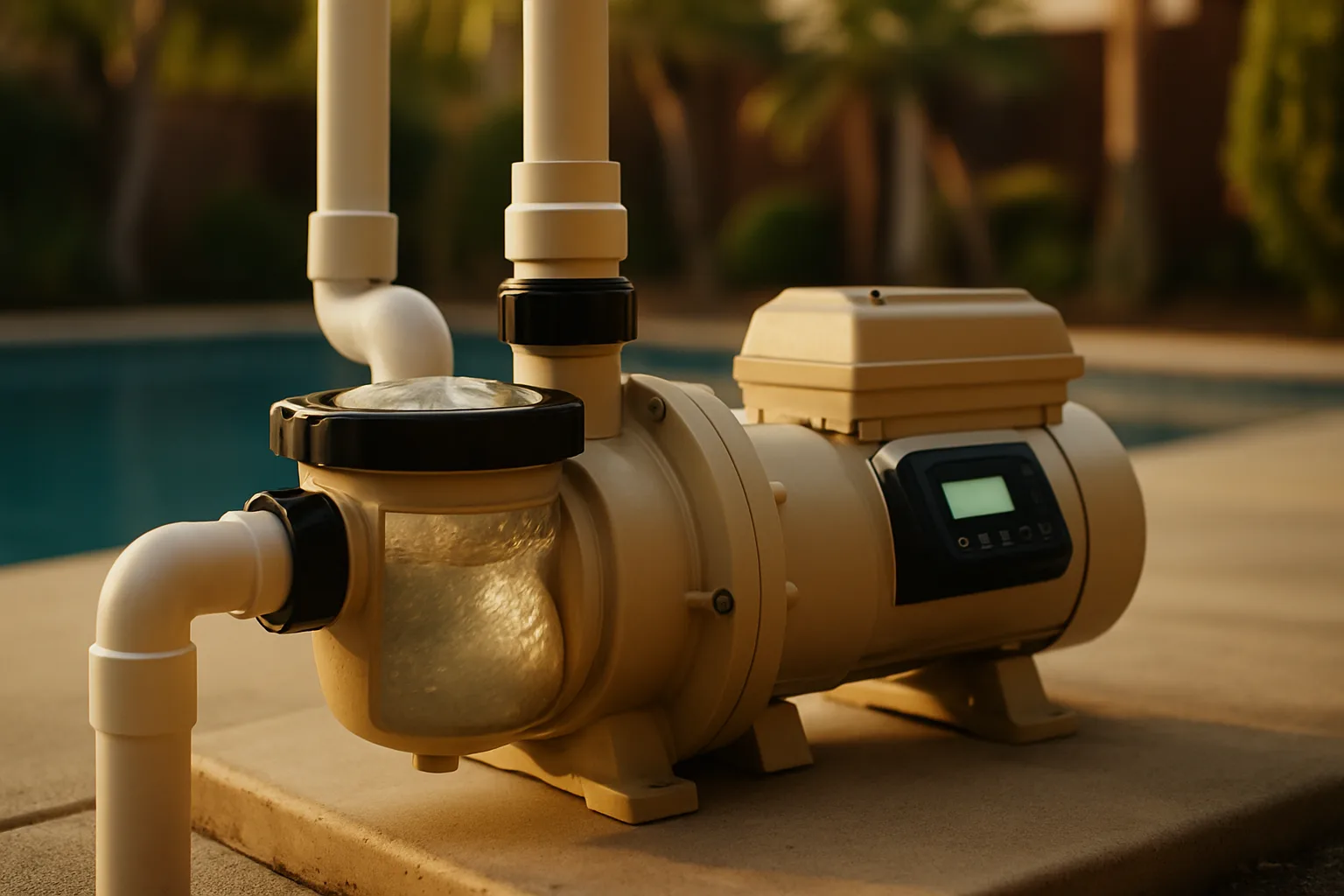
We measure your pool's volume and document the plumbing layout, then test the current pump's actual flow against the filter manufacturer's recommended range to find the settings that deliver adequate turnover.
The new pump is installed to code, bonded, and started. Speed schedules are programmed in tiers: a low-speed maintenance cycle for most of the day, a higher cycle for backwash, and a boost for water features or spa. SCE and LADWP customers benefit from scheduling the high-speed cycle outside peak hours.
We run the pump through each programmed speed and verify flow, pressure, and filter performance at each setting. The schedule is confirmed against your turnover target, and you receive documentation of the installed settings.
We serve homeowners and commercial accounts on both LADWP and SCE utility service, and rate structure affects optimal speed scheduling. For multi-unit properties, HOAs, and commercial facilities with compliance obligations, our commercial and HOA pump compliance service covers selection, installation, and documentation. Our crews work in Beverly Hills, Pasadena, Santa Monica, Long Beach, Burbank, Glendale, Torrance, and throughout the Inland Empire including Riverside, Ontario, Rancho Cucamonga, and Corona.
Call 805-870-5019 for an assessmentA planned upgrade costs less and causes less disruption than an emergency replacement. Single-speed pumps do not give much warning before they fail, so scheduling now means you choose the timing, not the pump.