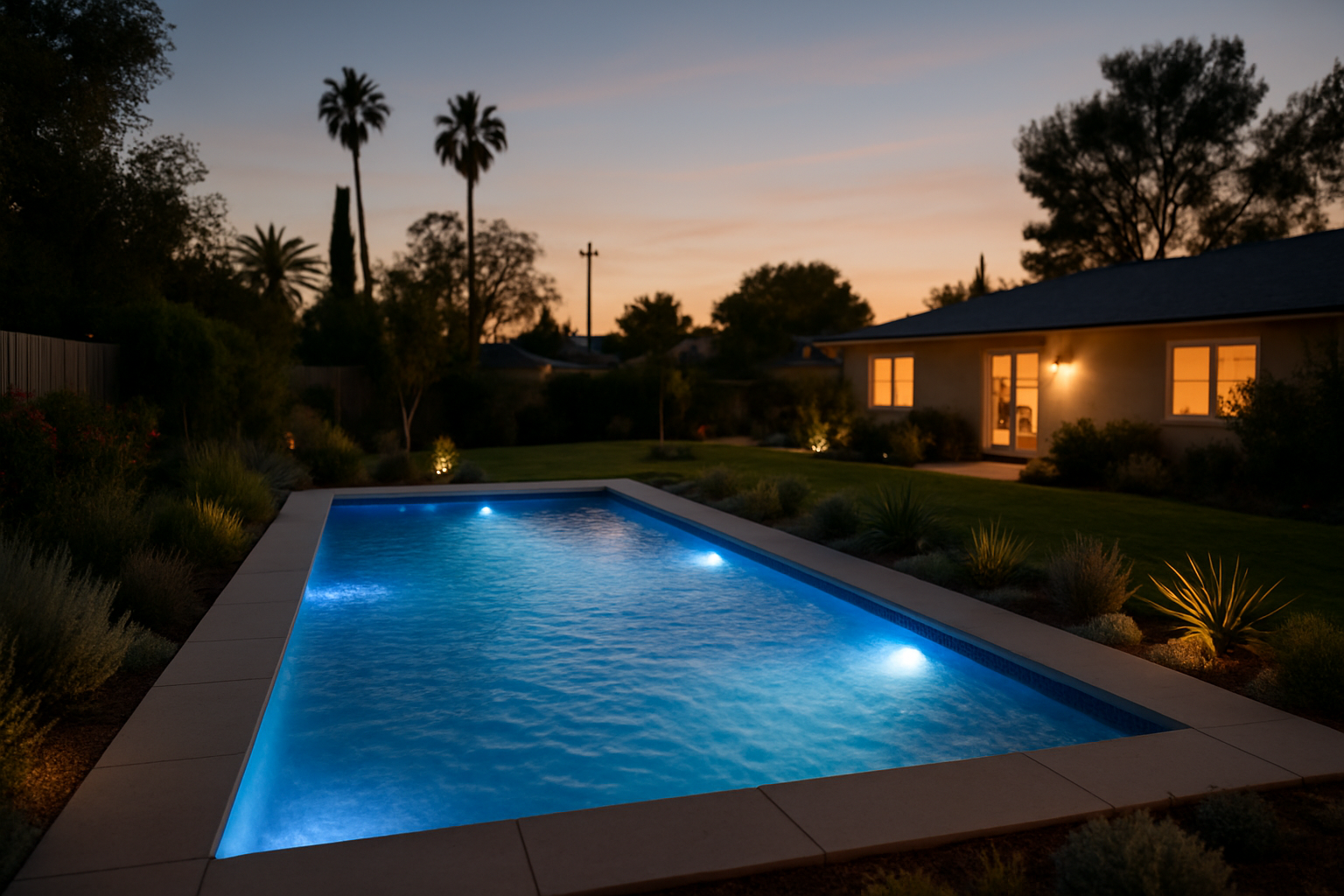
Control your pump, heater, and lights from one app. We install Pentair, Hayward, and Jandy systems and fully configure them to your pool and utility rate before we leave.
A pool automation controller manages your pump, heater, lighting, and sanitization from one app.
Most pools in Los Angeles run on a schedule someone programmed years ago, sometimes the previous homeowner, sometimes the builder. That timer does not know it is 102F in Chatsworth this week, that you are having guests Saturday, or that your utility charges peak rates between 4 and 9 PM.
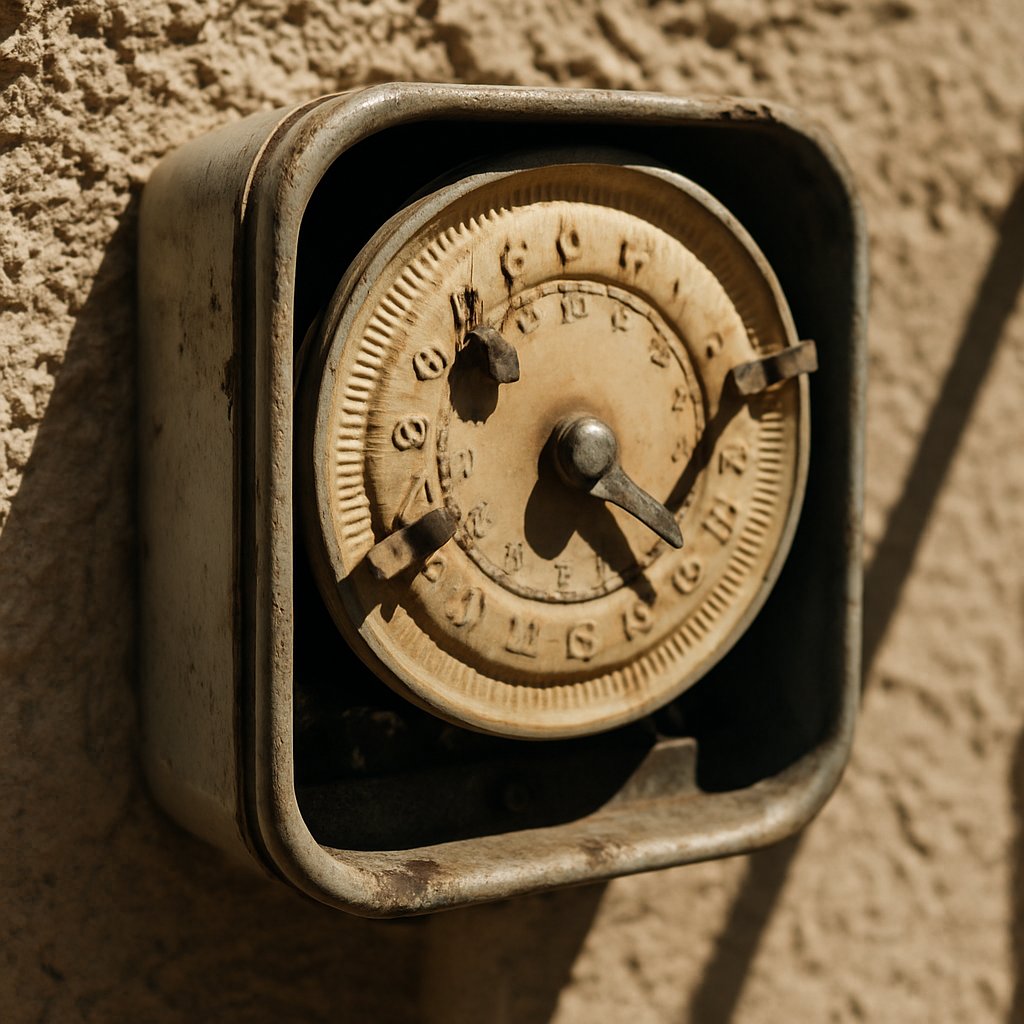
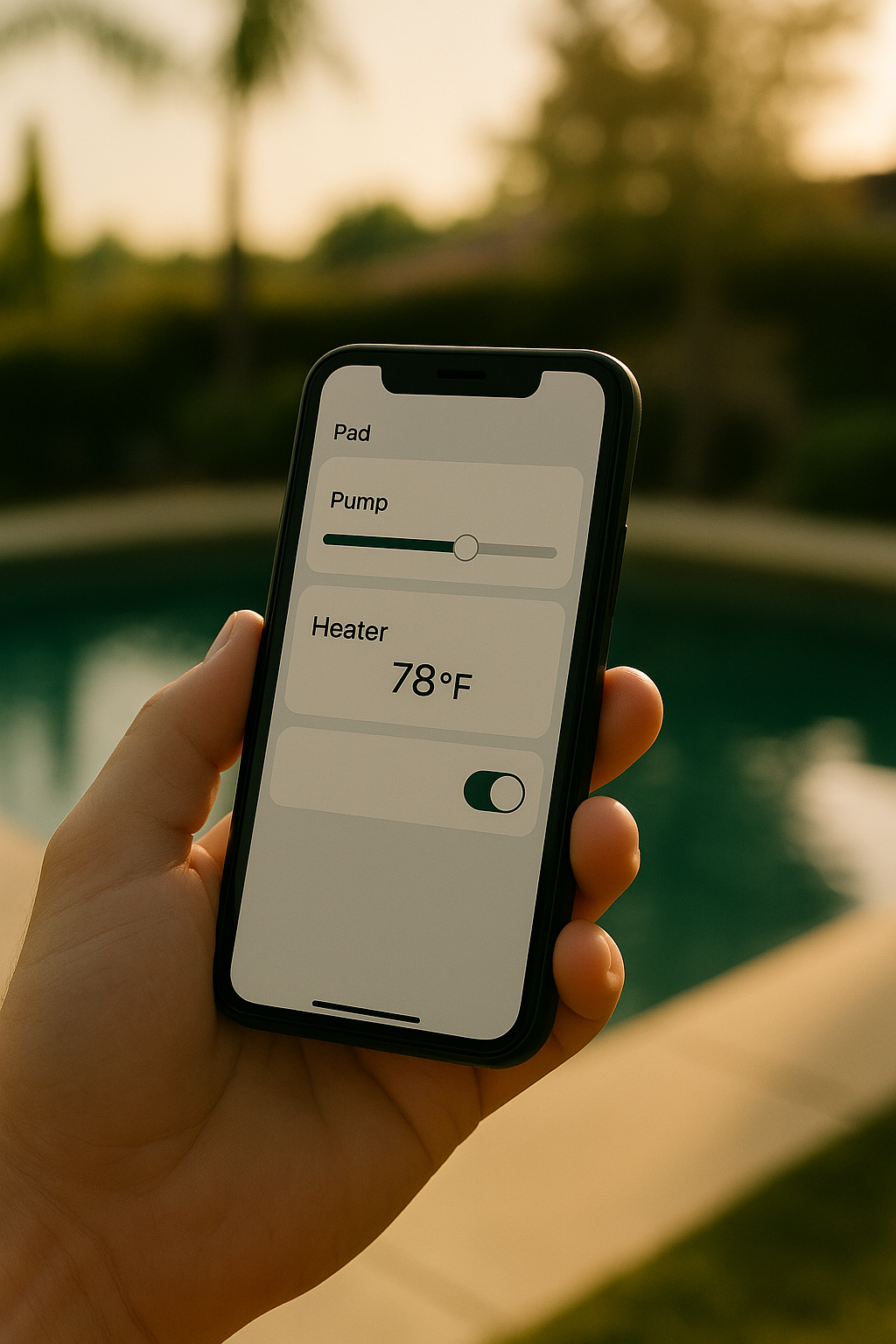
A pool automation controller, the central hardware unit that integrates your pump, heater, lighting, and sanitization into a single interface operable by panel, mobile app, or voice assistant, changes all of that. You see what is running, you change it from your phone, and you set schedules that actually match how you use the pool. The result is a pool that runs on your schedule, not a guessed one, and a monthly bill that reflects actual usage.
Los Angeles utility rates respond directly to when your pump runs, and most timers run it at the wrong time.
Both SCE and LADWP use Time-of-Use (TOU) energy rates, a structure where electricity costs significantly more during peak demand hours, typically late afternoon into evening. A pump running on an old mechanical timer often runs right through that window. The pump is the single largest electricity draw of any pool system, so running it during peak hours every day for a full season adds up fast. In inland areas like Pasadena, Monrovia, and the Pomona Valley, where summer heat pushes pools into overtime anyway, the cost of poor scheduling compounds even faster. Understanding California's variable speed pump requirements also helps with equipment upgrades that work alongside automation.
UV intensity in Southern California accelerates chlorine loss too. A filtration cycle not timed to maximize chemical contact during peak sunlight means more chemical spend than necessary, and a properly programmed system closes that gap on day one, in line with the efficiency practices the EPA highlights.
Pull your last two utility bills and look for daily usage spikes between 4 PM and 9 PM.
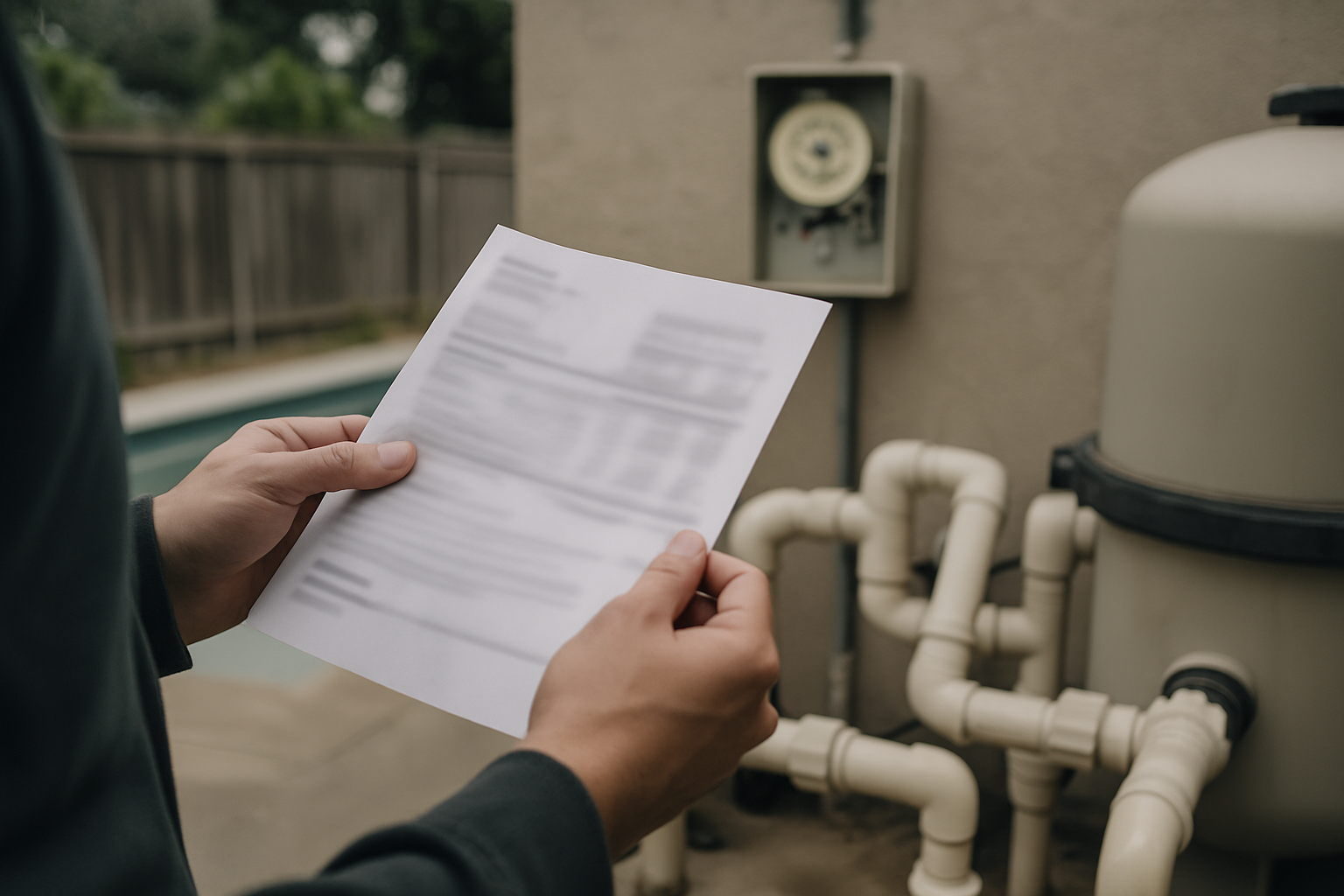
When we first look at a setup, the pool has often been running for years and nobody has touched the timer since installation. We check the schedule and find the pump running peak hours daily, sometimes six or eight hours straight. The fix is not complicated, but you have to know it is happening first.
The quick field check: first, note what time your pump currently turns on from the timer dial or controller display. Second, cross-reference that window against your utility's peak rate schedule, which both SCE and LADWP publish online, typically 4 to 9 PM on weekdays. Third, check whether your heater has an active setpoint or is running a default that pre-heats water on days the pool is not used. In most cases, customers find the pump running peak hours and the heater holding a setpoint from a previous season, neither adjusted for current usage.
That is the baseline we work from before designing a schedule. The goal is to build a schedule that matches this pool, this household, and this utility rate structure, and then give the homeowner the tools to adjust it themselves.
Every automation installation includes a working app setup and a full operating schedule before we close the job. Some homeowners have been handed a system that works technically but sits unused because nobody walked them through it. That is equipment delivery, not a service.
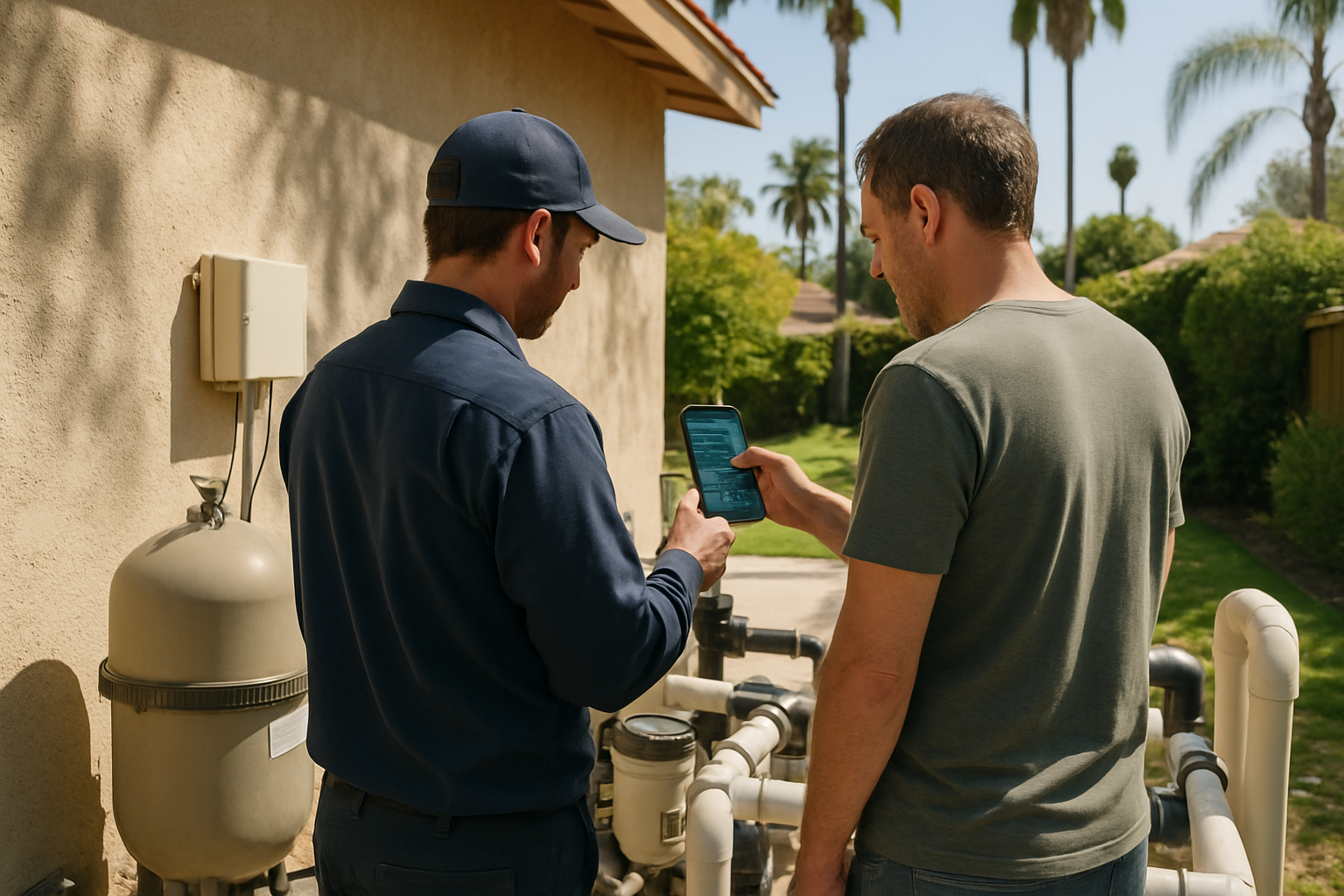
Before we leave, your app is downloaded, connected, and showing live pool data. Your pump scheduling is programmed to your TOU rate window, including any benefits from a variable speed pump upgrade if your equipment qualifies. Your heater setpoint reflects your actual usage days, your lighting schedule is set, and you have run through the controls with the technician on-site. If you have a spa, water features, or a salt chlorine generator, those integrate into the same interface. We also leave a printed schedule reference on your equipment door for the days the app feels like too many steps.
The right platform depends on your existing equipment, not just brand preference.
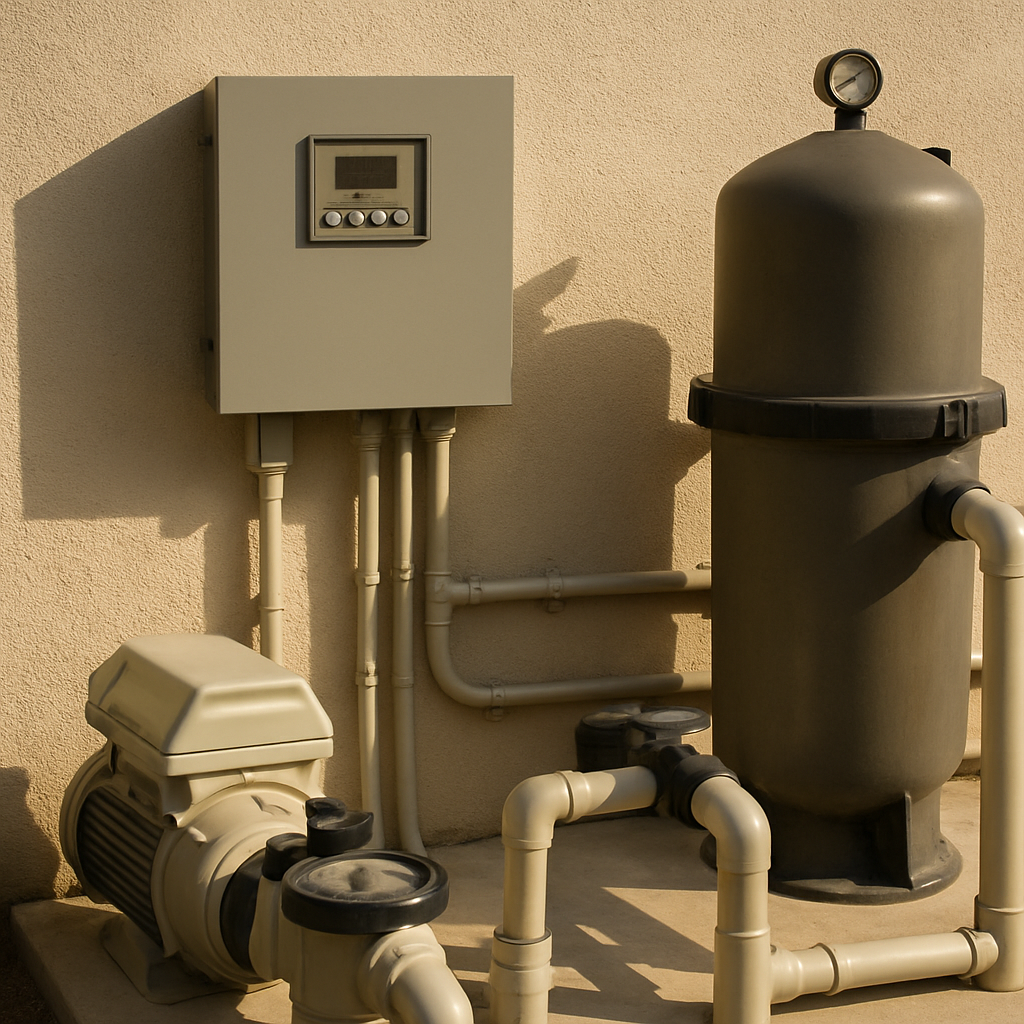
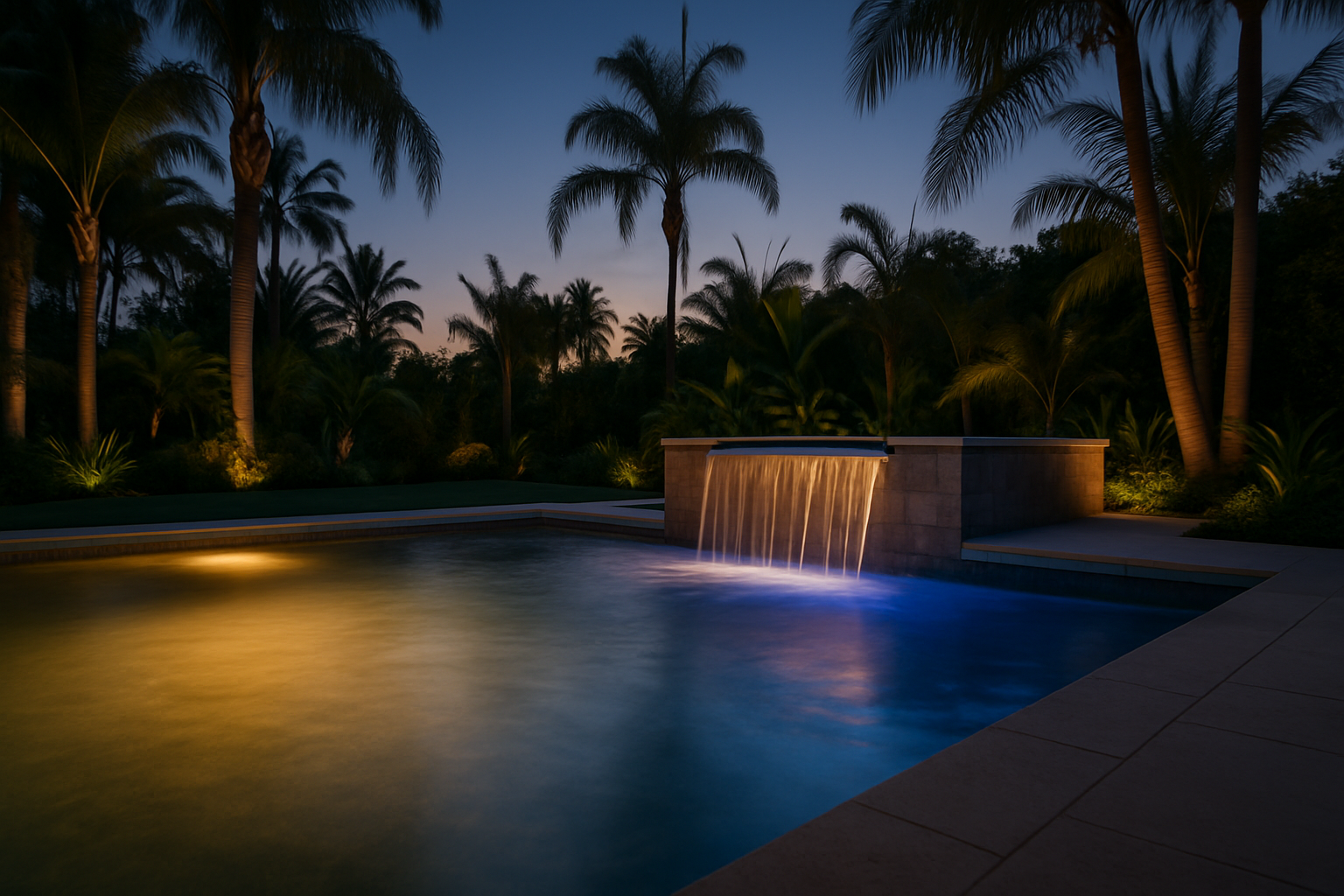
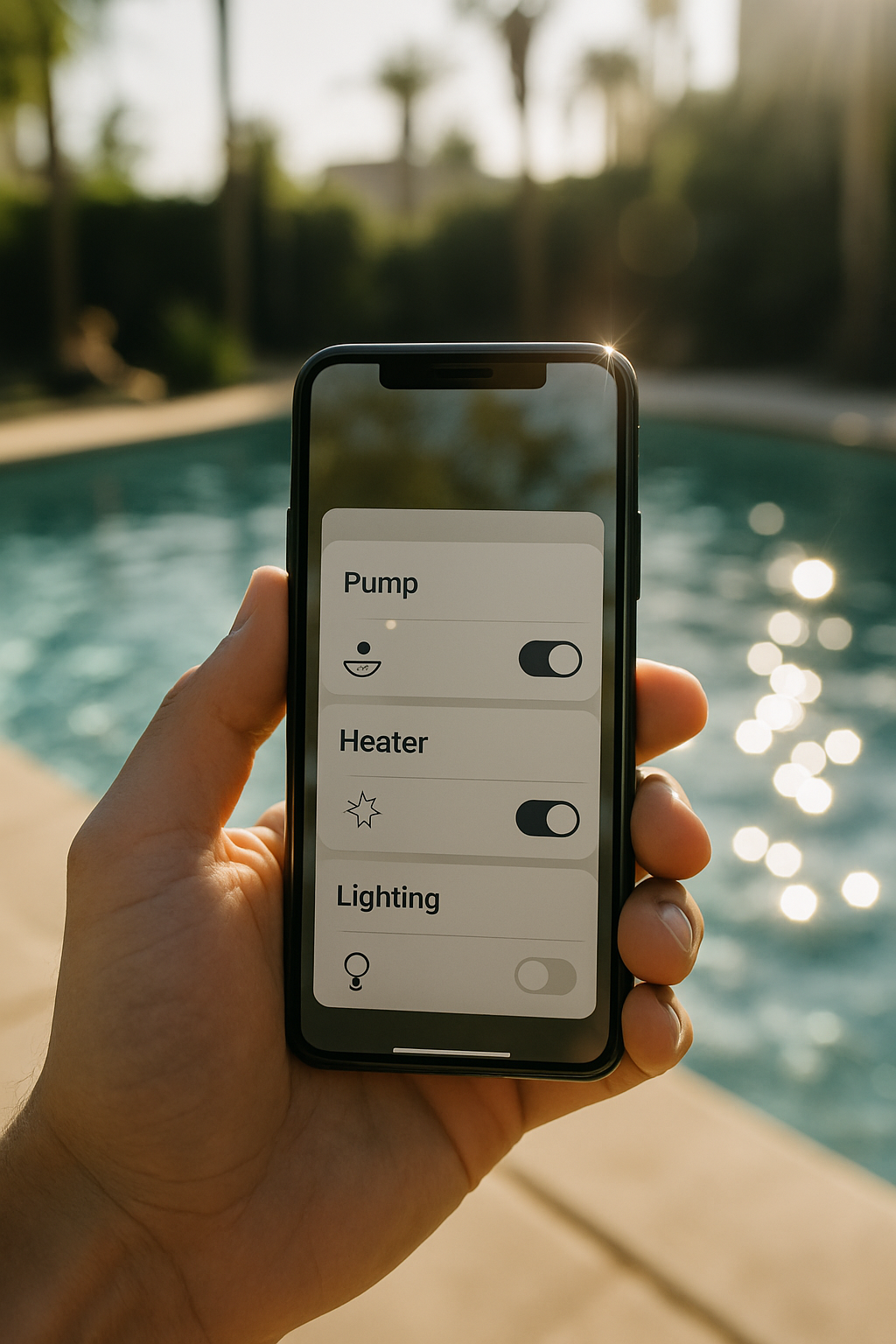
We assess your current equipment before recommending a platform, because matching the controller to what is already installed avoids unnecessary hardware replacement. Automation also makes it easy to manage heater scheduling from the same app.
Most installations are completed in one visit, start to finish.
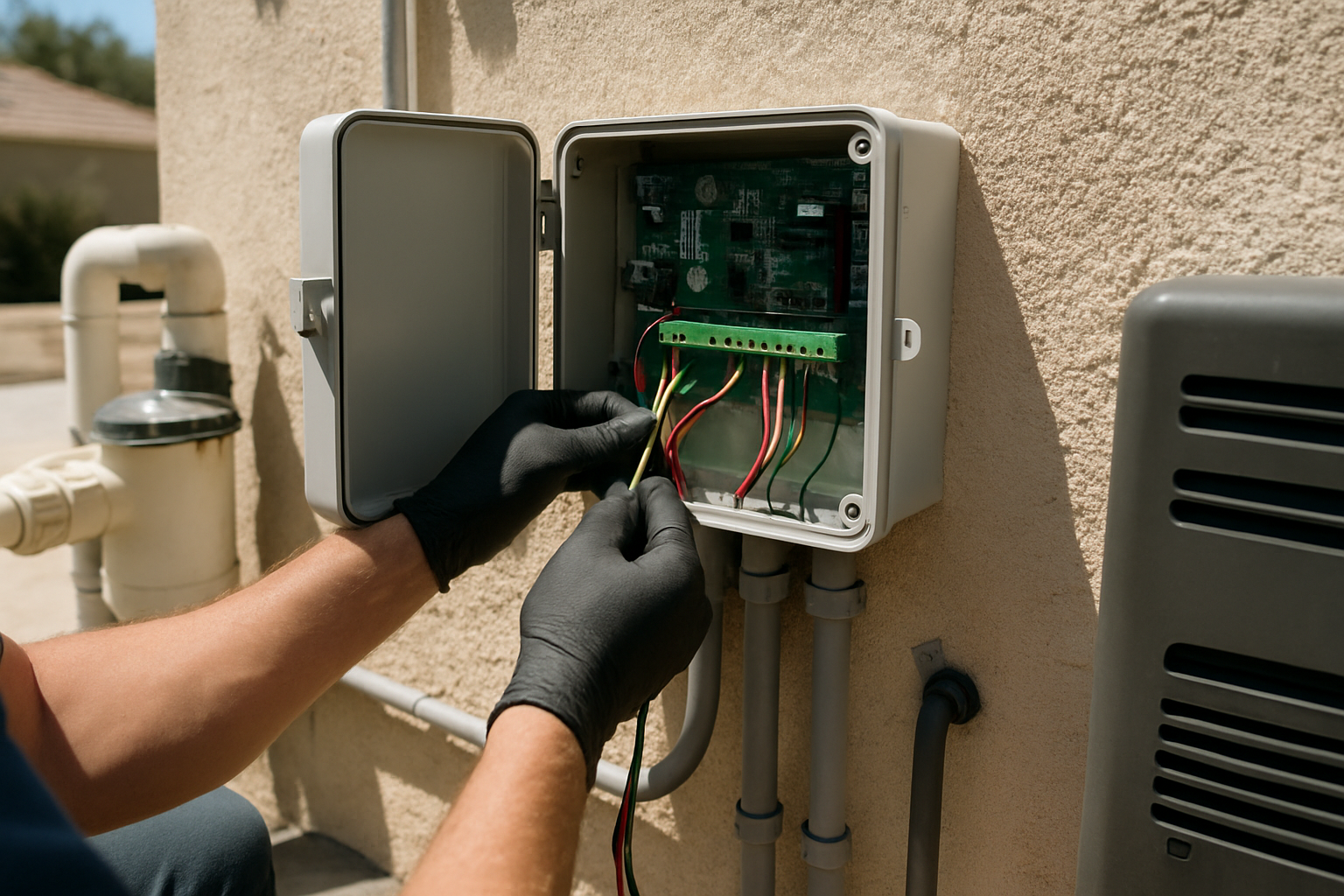
We document your existing setup: timer locations, equipment model numbers, wiring, and any existing automation hardware. Our equipment repair assessment confirms compatibility and identifies any electrical work needed first.
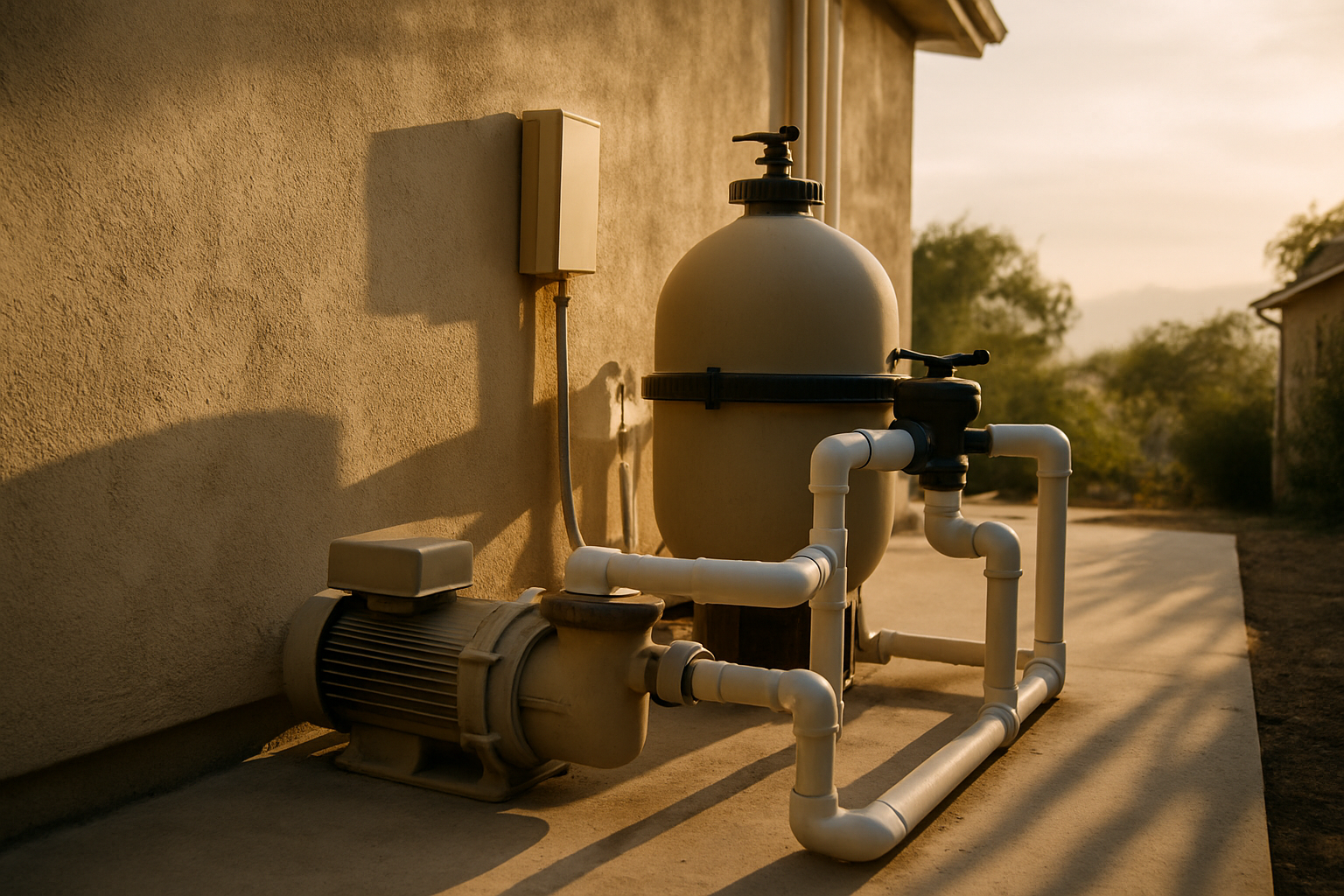
The controller is mounted at the pad and wired to the pump, heater, lighting, and auxiliary equipment. Pump scheduling is configured to your pool volume, turnover needs, and TOU window. If chemical dosing is included, it is connected and calibrated. Then the system joins your wi-fi and the app is paired and tested.
We run a full cycle to confirm every scheduled operation fires, walk you through the app on-site, and verify pump scheduling aligns to off-peak windows with no equipment on a conflicting default. You receive a printed schedule summary and contact info for follow-up.
We install automation in Los Angeles, Beverly Hills, West Hollywood, Santa Monica, Burbank, Glendale, Pasadena, Long Beach, Torrance, Redondo Beach, Manhattan Beach, Inglewood, Culver City, Whittier, Downey, Norwalk, Lakewood, Cerritos, Anaheim, Fullerton, Orange, Garden Grove, Santa Ana, Irvine, Costa Mesa, Huntington Beach, Newport Beach, and throughout the Inland Empire including Ontario, Rancho Cucamonga, Riverside, Corona, and San Bernardino. New equipment meets California Title 20 standards where applicable.
Call 805-870-5019 to consultReady to see what your pool is doing and control it from your phone? We will review your current equipment, recommend the right platform, and walk you through exactly what the system will manage before installation. Pair it with ongoing weekly maintenance to keep everything at peak performance.